
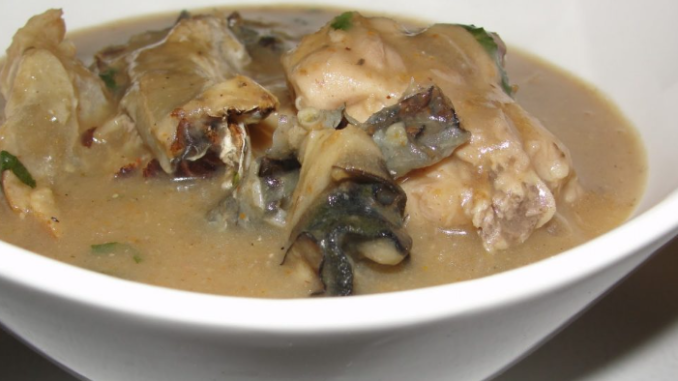
Ofe Nsala, a traditional Nigerian delicacy, holds a special place in the hearts and palates of those who savor its unique flavors. This renowned soup, also known as “white soup,” is a culinary masterpiece that reflects the rich cultural heritage of the Igbo people. Beyond its delectable taste, Ofe Nsala carries a significant cultural and historical significance, making it a dish worth exploring.
Also, Read
The Essence of Ofe Nsala:
Ofe Nsala is a hearty soup made from catfish and a blend of spices that give it its distinctive taste. The soup is recognized for its light color, which is achieved by using a base of yam or plantains. This gives Ofe Nsala a creamy and velvety texture that sets it apart from other Nigerian soups. The dish is often prepared during special occasions, ceremonies, and festivals, showcasing its importance in Igbo traditions.
Ingredients and Preparation:
The key to an authentic Ofe Nsala lies in the selection of fresh catfish, which serves as the main protein source. Other essential ingredients include utazi leaves, pepper soup spice, yam or plantains, crayfish, and a variety of aromatic spices. The preparation involves a meticulous process of cleaning and boiling the catfish, creating a flavorful broth by adding the pepper soup spice, and incorporating the yam or plantains to achieve the desired consistency.
Cultural Significance:
Beyond its culinary appeal, Ofe Nsala holds cultural significance in Igbo society. The soup is often associated with celebrations, including weddings, childbirth, and other important life events. Its preparation and consumption symbolize unity, joy, and communal harmony, making it a dish that brings people together.
Variations Across Regions:
While Ofe Nsala is deeply rooted in Igbo tradition, variations of the soup can be found across different regions of Nigeria. Each locality adds its own twist to the dish, incorporating local ingredients and culinary practices. This diversity reflects the dynamic nature of Nigerian cuisine, where traditional recipes are adapted to suit regional tastes and preferences.
Health Benefits:
Apart from its delicious taste and cultural importance, Ofe Nsala also offers health benefits. The soup is rich in nutrients from the catfish, vegetables, and spices, providing a wholesome and nourishing meal. The use of utazi leaves, known for their medicinal properties, adds an extra layer of health benefits to the dish.
Do You Put Ogiri In Nsala Soup?
Ogiri and Nsala soup are both traditional Nigerian ingredients, but they are typically used in different types of soups. Ogiri is a traditional Nigerian condiment made from fermented oilseeds, while Nsala soup, also known as “white soup,” is a delicacy among the Igbo people of Nigeria.
Nsala soup is usually made with catfish and a light, flavorful broth. It is not a common practice to add ogiri to Nsala soup. Ogiri is more commonly used in soups like Ofe Akwu (palm nut soup) and Oha soup, where its strong, pungent flavor can complement the richness of the base.
It’s important to note that regional variations and personal preferences may influence the specific ingredients used in traditional recipes, so there could be some instances where individuals or communities might incorporate ogiri into Nsala soup. However, in general, ogiri is not a standard ingredient for Nsala soup.
Which State Has Nsala Soup?
Nsala soup, also known as “white soup,” is a traditional Nigerian soup that originates from the southeastern part of the country, particularly among the Igbo people.
It is not associated with a specific state but rather with the Igbo culture. Igbo people are found in several states in Nigeria, including but not limited to Anambra, Enugu, Imo, Abia, and Ebonyi.
Nsala soup is a popular dish in the Igbo culinary tradition and is made with various ingredients such as catfish, yams, and a blend of spices.
What Are Nsala Spices?
Nsala soup, also known as “white soup,” is seasoned with a variety of spices to give it its distinctive flavor. The specific spices used can vary based on personal preferences and regional variations, but some common ingredients include:
1. Uda seeds (Negro pepper)
These seeds are a key ingredient in Nsala soup, contributing a unique peppery and aromatic flavor.
2. Uziza seeds or leaves
Uziza adds a spicy and slightly peppery flavor to the soup. Both the seeds and leaves can be used, and they are common in Nigerian cuisine.
3. Ehuru (Calabash Nutmeg)
Ehuru seeds have a nutty flavor and are often ground and added to Nsala soup for a warm and aromatic taste.
4. Onions
Onions are a fundamental ingredient in many Nigerian soups, providing a savory and sweet flavor.
5. Garlic and ginger
These two ingredients are often used to add depth and warmth to the soup’s flavor profile.
6. Crayfish
Ground crayfish is a common ingredient in many Nigerian soups, including Nsala soup. It adds a rich, seafood-like flavor.
7. Salt and pepper
These are used to taste, adding seasoning and heat to the soup.
It’s important to note that the exact combination and quantities of these spices can vary, and different cooks may have their own variations of the recipe.
Additionally, the choice of protein (such as catfish) and other ingredients like yams or plantains also contributes to the overall flavor of Nsala soup.
How To Make Nsala Soup With Intestine?

Nsala soup, also known as “White Soup” or “Ofe Nsala,” is a traditional Nigerian soup that originates from the southeastern part of the country, particularly among the Igbo people.
It is a light soup made with assorted meats, typically fish or chicken, and seasoned with a unique spice called “Uda” or “Negro Pepper.”
While Nsala soup is traditionally made with fish or chicken, you can adapt the recipe to include intestine or other meats if you prefer. Here’s a basic recipe for Nsala soup with intestine:
Ingredients:
- 500g cow intestine, cleaned and chopped
- 1 whole catfish or tilapia, cleaned and cut into steaks
- 2 tablespoons ground crayfish
- 2 tablespoons pepper soup spice mix
- 2 pieces of uda (Negro Pepper)
- 2 tablespoons utazi leaves, shredded (optional)
- 2 tablespoons uziza leaves, shredded (optional)
- 2 stock cubes
- Salt to taste
- Water
- Onion (1 medium-sized), chopped
- Periwinkle (optional)
Instructions:
1. Clean and Prepare the Intestine
- Wash the cow intestine thoroughly with water and salt.
- Boil the intestine with a pinch of salt until tender. Drain and set aside.
2. Prepare the Fish
- Clean the fish and cut it into steaks.
- Season the fish with salt and set aside.
3. Prepare the Spices
- In a mortar, crush the uda (Negro Pepper) into coarse pieces.
4. Cooking
- In a pot, add the cleaned intestine and enough water to cover it.
- Add the chopped onions, ground crayfish, pepper soup spice mix, and crushed uda.
- Allow it to cook until the intestine is tender.
5. Add the Fish
- Add the seasoned fish to the pot and let it cook until the fish is done.
6. Season the Soup
- Add the stock cubes and salt to taste.
- If you have periwinkle, you can add it at this point.
7. Add Optional Ingredients
- If you’re using utazi leaves and uziza leaves, add them to the pot. These leaves add a unique flavor to the soup.
8. Simmer
- Allow the soup to simmer for a few more minutes to allow all the flavors to blend.
9. Adjust Seasoning
- Taste the soup and adjust the seasoning if necessary.
10. Serve
- Once everything is well cooked and seasoned, your Nsala soup with intestine is ready to be served.
Nsala soup is typically served with fufu, such as pounded yam, semolina, or eba. Enjoy your delicious and hearty Nigerian soup!
Conclusion
In conclusion, Ofe Nsala stands as a testament to the vibrant culinary heritage of the Igbo people and the broader Nigerian culture. Its preparation involves a careful blend of flavors and a deep respect for tradition, making it a dish that transcends mere sustenance. As we savor the rich taste of Ofe Nsala, we also partake in a cultural experience that connects us to the traditions and celebrations of the Igbo people, fostering a sense of unity and appreciation for the diversity of Nigerian cuisine.